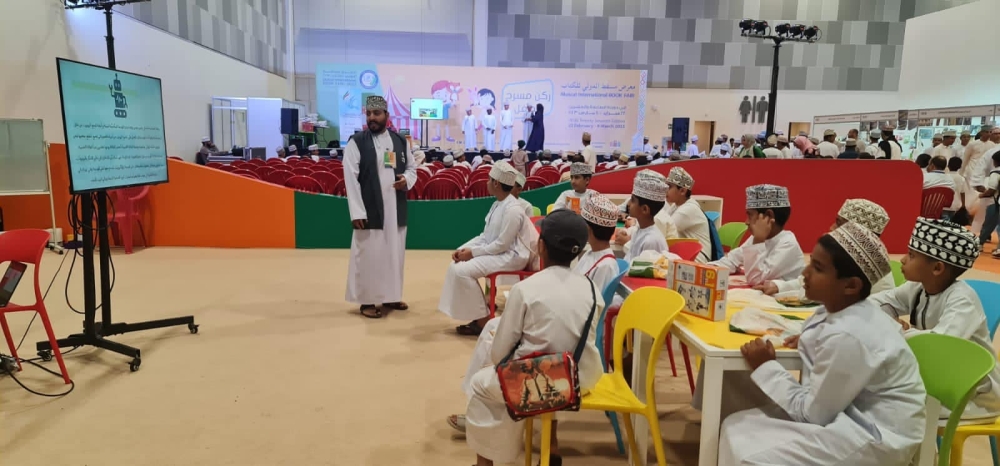





MUSCAT: Children’s literature is no longer simply a source of entertainment, but a vital tool for shaping young minds, strengthening language and identity, and supporting children’s emotional well-being, specialists say.
Experts in children’s literature and psychology have called for a renewed approach that combines Arab cultural authenticity with contemporary ideas and digital technology, creating stories that can engage children while helping them become confident readers and creators.
Dr Noura bint Salem al Khalili, a specialist in children’s literature, said Arabic is the first vessel through which a child’s personality, culture and identity are formed.
“Language is not just a tool for communication, but the first effective tool for shaping identity, building human values and consolidating its features,” she said.
She stressed the need for closer cooperation among writers, families and educational institutions to ensure that Arabic is presented to children as a living part of their daily lives rather than merely a school subject.
Children’s literature, she said, can help transform language learning into a practical experience by encouraging children to read, discuss and rewrite stories and use vocabulary in real-life contexts.
Dr Iman bint Hamad al Muqbali, a specialist in child psychotherapy, said Oman’s children’s literature has made positive strides, particularly in promoting national identity, preserving Arabic and reflecting the Omani environment and values.
However, she said children’s literature should also be viewed as an educational and psychological tool.
Storytelling and narrative therapy can help children understand and express emotions and cope with fear, sadness, anger, loss, bullying and family changes, she said.
She called for stories addressing issues such as anxiety, trauma, family separation, illness, disability and emotional management in language appropriate to children’s developmental stages.
Al Muqbali also stressed that cultural identity and global experiences can complement each other. Stories should allow children to see their own environment and heritage while developing critical thinking, imagination, emotional intelligence and psychological resilience.
Iraqi specialist Dr Zainab Abdul Mahdi highlighted the growing influence of the digital world, arguing that books and screens should not be viewed as rivals.
Instead, she said, digital technology should be used to bring Arabic stories and cultural heritage to life and encourage children to become content creators rather than passive consumers.
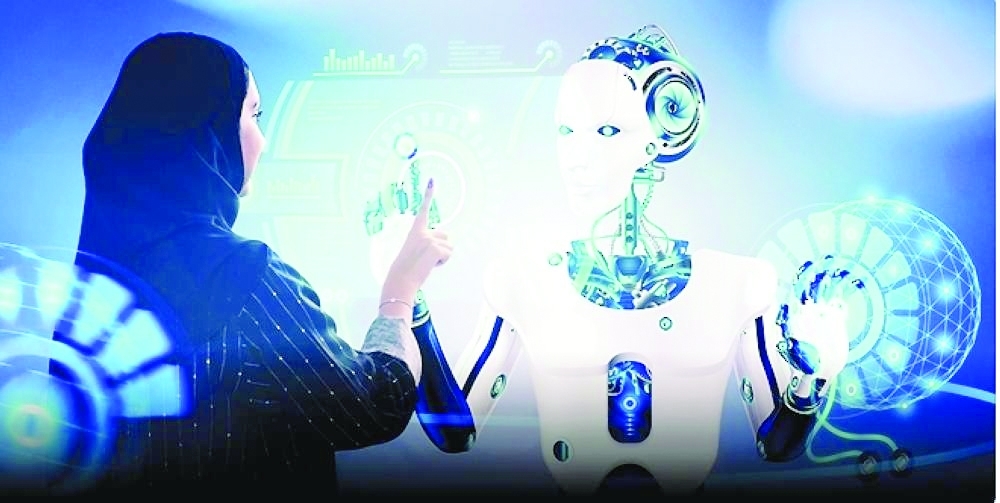
She suggested combining written stories with interactive technology, animation, photography, drawing and artificial intelligence while involving children in the creative process.
Omani poet Saud bin Nasser al Saqri similarly called for children’s poetry to move beyond traditional presentation without losing its artistic and educational value.
Digital applications, interactive books, audio recordings and animation, he said, can make poetry more relevant to today’s children.
At the same time, poetry retains its unique ability to build emotional connections through rhythm, imagery and language.
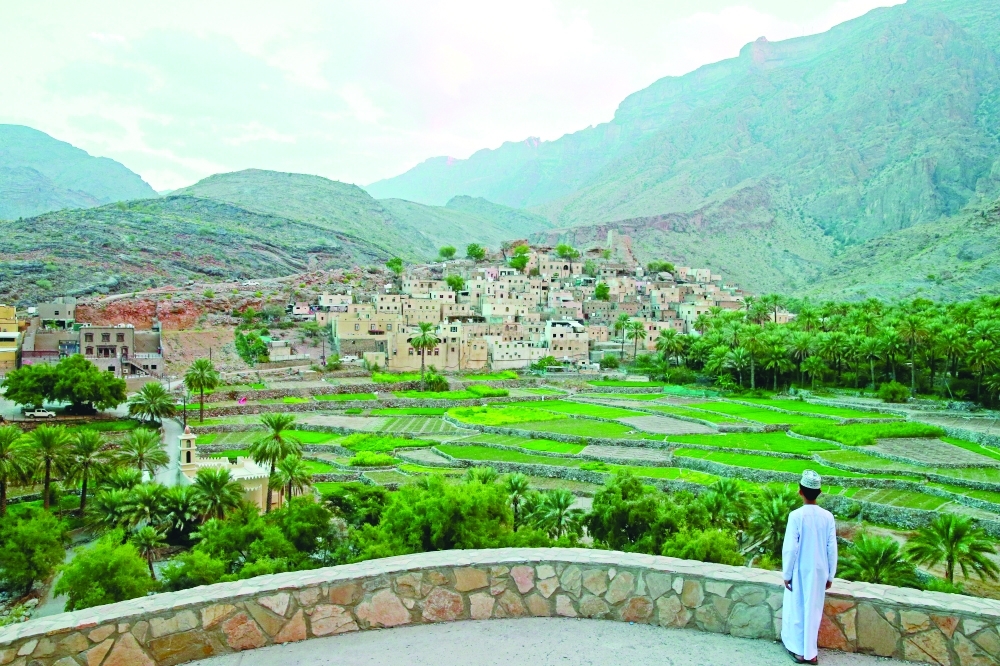
He said poetry inspired by Oman’s sea, mountains, palms, heritage and traditions can strengthen children’s cultural and national identity while introducing values such as creativity, innovation, respect for diversity and environmental conservation.
The challenge, experts agree, is not to choose between tradition and technology, but to bring them together to create meaningful literature that speaks to children’s world while keeping them connected to their language, culture and identity. – ONA
Oman Observer is now on the WhatsApp channel. Click here